Loading...
Premier Yucca Valley Fence is a fence contractor serving Morongo Valley with chain link, wood, and farm fencing sized for large high-desert properties. We have responded to jobs throughout the Highway 62 corridor and understand what it takes to set posts that hold in caliche soil and survive the wind.
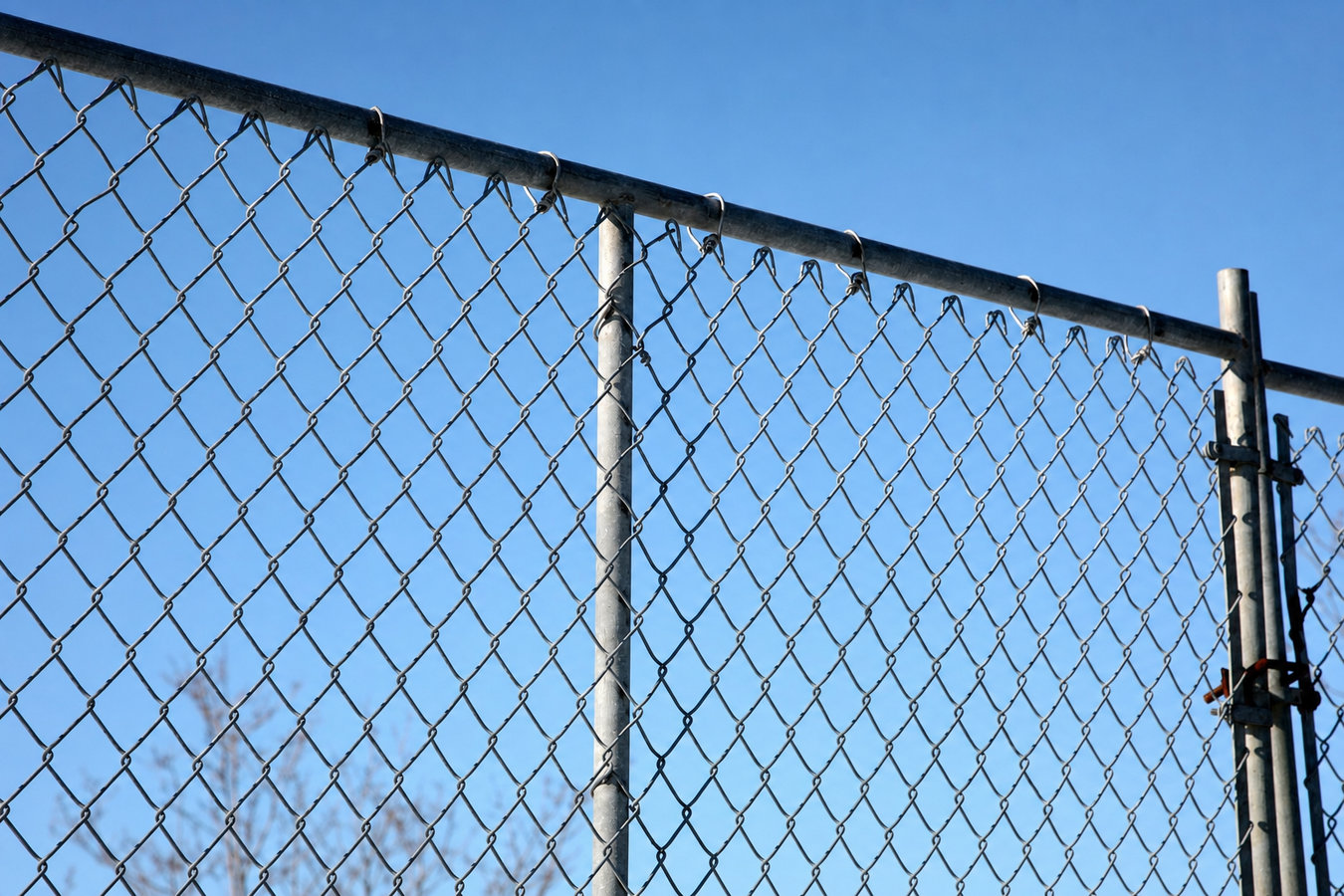
Chain link is the go-to perimeter solution for Morongo Valley homeowners with large lots because it handles the strong desert wind well and keeps costs manageable over long fence runs. Our chain link fence installation includes options with vinyl coating to reduce corrosion in the sandy desert air.
Many Morongo Valley homes from the 1960s and 1970s have existing wood fence lines that need replacement or extension to match the original character of the property. We use pressure-treated lumber and UV-resistant stains suited to the extreme temperature swings at this elevation.
Morongo Valley has a number of rural and semi-rural properties with horses, goats, and other livestock on large desert parcels. We install high-tensile wire, split rail, and pipe corral fencing that holds up to both animal pressure and the rocky terrain.
Large unfenced lots in Morongo Valley create real risk for dogs that roam near the Big Morongo Canyon Preserve and the surrounding open desert. A dedicated dog fence keeps pets safe without obstructing the open desert views that residents moved here for.
Wind damage is the most common reason fences fail in Morongo Valley. Posts set in sandy soil loosen over time, and the strong gusts through the Highway 62 corridor can push leaning sections completely over before the next season. We fix storm damage and reinforce posts before they reach that point.
Properties on long desert driveways in Morongo Valley benefit from automatic gates that provide security without requiring someone to get in and out of a vehicle every time. We install solar-powered gate operators suited to off-grid and partially off-grid homes in this area.
Morongo Valley sits at roughly 2,600 feet elevation in a wind corridor between the San Bernardino Mountains and the Coachella Valley, and that geography creates fence conditions unlike most of Southern California. Summer daytime highs push near 100 degrees, but winter nights can drop well below freezing. That 60-to-70-degree daily swing in spring and fall puts stress on every post, rail, and connection point in a fence. Wood dries out and cracks. Metal fasteners loosen as they expand and contract. Fence posts set in sandy soil without deep, properly poured concrete footings gradually shift until sections lean or fall.
Most lots in Morongo Valley are large by California standards, often a half-acre or more, with sandy and rocky soil that includes caliche hardpan in many areas. Caliche is a calcium carbonate layer that forms naturally in desert soils and can stop a standard post-hole digger at shallow depth. Contractors who are not familiar with it will undershoot post depth or skip through the layer without addressing it, which leads to early fence failure. The wind exposure in this area compounds the problem. Strong gusts in spring and fall regularly bring down fences that were not set with adequate footing depth. Morongo Valley homeowners need a contractor who plans for these factors from the first measurement, not one who figures it out after problems appear.
Our crew works throughout Morongo Valley regularly, and we understand the local conditions that affect fence contractor work here. Morongo Valley is an unincorporated San Bernardino County community, which means permits are pulled through San Bernardino County Land Use Services rather than a city building department. We know the county permit process, which is a different workflow than neighboring cities like Palm Springs or Desert Hot Springs.
Most of the properties we work on in Morongo Valley are single-family homes on large lots, many built between the 1950s and 1980s when the area attracted desert retreat buyers and retirees. The homes sit along or just off Highway 62, the main road connecting the Inland Empire to Joshua Tree and Twentynine Palms. Some are right on the highway corridor, while others are on quieter side roads closer to the Big Morongo Canyon Preserve. The property types vary, but the soil and wind conditions are consistent across the community.
We also serve homeowners in Desert Hot Springs to the south, which shares the same Sandy desert soil and wind exposure that we account for on every Morongo Valley job. If you have questions about getting work scheduled or what to expect on a large rural lot, call us and we will walk through it with you.
Call or fill out the estimate form online and we reply within one business day to set a convenient time to visit the property. No commitment is needed to get an estimate.
We walk the property, check the soil conditions and terrain, measure the fence line, and confirm whether a San Bernardino County permit is needed. The written estimate covers all materials and labor with no hidden fees.
We schedule around your availability. Most standard Morongo Valley residential fences are completed in one to two days, and we handle the post-setting in caliche and rocky soil so you do not have to worry about inadequate depth.
When work is done, we walk the fence line with you, answer questions, and clear all materials from the property. If a county permit was required, we handle the close-out inspection.
We serve all of Morongo Valley and the surrounding high-desert communities. Call or fill out the form for a free, written estimate with no pressure.
(442) 205-1279Morongo Valley is an unincorporated community in San Bernardino County, situated at about 2,600 feet elevation in the pass between the Coachella Valley and the San Bernardino Valley. The population is small, roughly 3,500 to 4,000 people, spread across a wide area rather than concentrated in a compact neighborhood grid. Homes sit on large lots with sandy desert soil, scrub brush, and in many cases the signature Joshua trees that mark this transitional zone between the high desert and the lower Coachella Valley. The character of the community is quiet and rural, drawing retirees, part-time desert retreat residents, and people who want open land and space around them.
The community runs along Highway 62, known as the 29 Palms Highway, which is the main corridor connecting the Inland Empire to Joshua Tree National Park and the city of Twentynine Palms. Most of the homes in the area were built between the 1950s and 1980s, and many have not had extensive renovation. The Big Morongo Canyon Preserve, a federally managed desert oasis and bird sanctuary, sits right at the edge of the community and is one of the most recognized landmarks in the area. Residents who enjoy the proximity to open desert and the national park often say the landscape is the main reason they chose Morongo Valley. Neighboring areas like Joshua Tree and Twentynine Palms share the same high-desert character and many of the same fencing challenges.
Elegant aluminum fencing combining strength with lasting curb appeal.
Learn MoreCommercial-grade fencing solutions built to secure any property.
Learn MoreFull privacy fences that create a peaceful, secluded outdoor space.
Learn MoreAutomated gate systems adding convenience and security to your property.
Learn MoreHandcrafted ornamental iron fences that elevate your property's presence.
Learn MoreProfessional staining and sealing that extends the life of your fence.
Learn MoreWe know the high-desert terrain and soil conditions out here. Call now or submit the form and we will be in touch within one business day.